Why Choose an Aluminum Scrap Melting Furnace?

Why Choose an aluminum scrap melting furnace?

Aluminum demand is rising, while high-quality scrap remains an important secondary resource. The International Aluminium Institute reports that recycling aluminum requires only about 5% of the energy used for primary production. That difference can reshape operating costs and carbon performance.

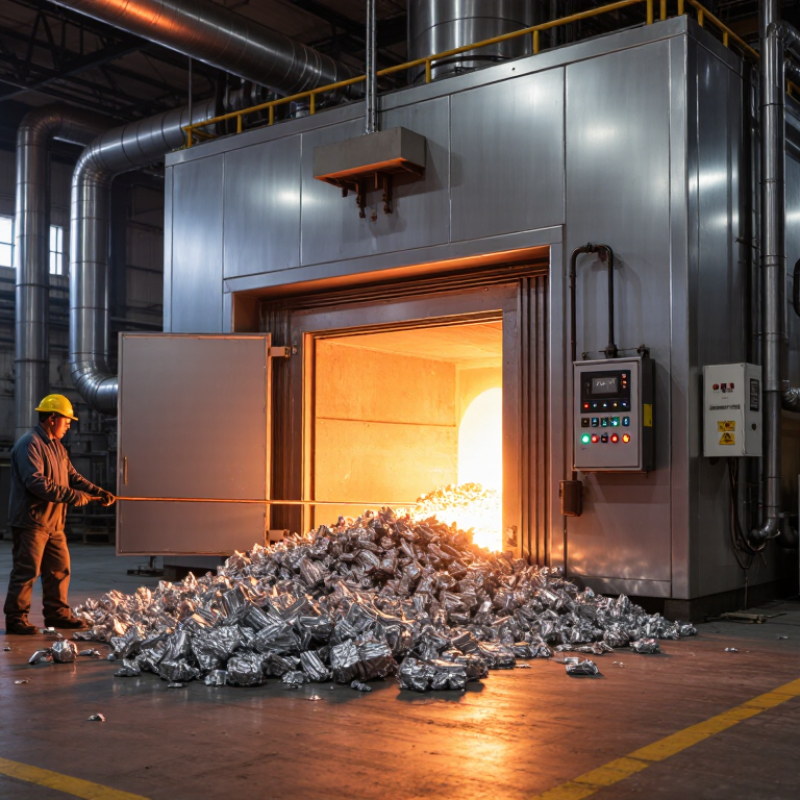
An aluminum scrap melting furnace converts clean and mixed aluminum scrap into reusable molten metal. The right system controls temperature, melting speed, oxidation, and dross formation. These details matter beside the furnace door, where wet or poorly sorted scrap can cause unstable melting and unnecessary material loss.

The Aluminum Association also states that recycling one ton of aluminum saves roughly 95% of the energy needed to produce primary aluminum. This figure is widely cited across the industry, but real savings depend on scrap quality, furnace efficiency, electricity sources, and plant practices. Numbers alone do not guarantee performance.

A well-designed furnace can improve thermal efficiency, shorten batch cycles, and support more consistent casting quality. Rotary, reverberatory, and crucible designs serve different production conditions. Selection should consider daily throughput, alloy separation, charge dimensions, labor skills, and emission-control requirements.

The International Energy Agency’s clean-energy transition analysis identifies aluminum as an energy-intensive sector requiring efficiency improvements and greater recycling. That evidence supports a practical question: can the furnace handle tomorrow’s scrap stream, not just today’s?

The answer is not always obvious. A cheaper furnace may consume more fuel, create more dross, or demand frequent maintenance. Careful testing, supplier documentation, and measured operating data remain essential. For many manufacturers, choosing an aluminum scrap melting furnace is therefore an investment in resource security, process control, and more resilient production.

Why Choose an Aluminum Scrap Melting Furnace?

Aluminum Scrap Recycling: Why Melting Matters in a Circular Economy

Aluminum scrap recycling begins long before molten metal appears. A melting furnace turns clean offcuts, old profiles, and rejected castings into reusable metal. That action matters in a circular economy. It reduces demand for primary aluminum, which requires substantial electricity and raw materials. In a working yard, separate bins make a visible difference. Painted sheet, oily swarf, and mixed alloys should not enter together. They behave differently under heat. Moisture is another concern. Trained operators must inspect and prepare suitable feedstock before charging the furnace.

An aluminum scrap melting furnace should match the scrap type, volume, and operating discipline. Rotary, reverberatory, and induction designs manage heat and contamination differently. The right choice depends on alloy control, energy access, and expected throughput. In practice, temperature logs, charge weights, dross records, and metal samples reveal more than sales claims. Operators should inspect linings, burners, doors, and exhaust systems each shift. Small leaks waste energy. Poor combustion can increase oxidation and metal loss. A furnace cannot fix careless sorting.

Recycling also requires consistent quality. Secondary aluminum must meet the next user’s specification, or it may be downgraded. Skimming, filtering, alloy testing, and controlled cooling support reliable results. The process is not flawless. Dross forms. Energy is still consumed. Some contaminated scrap needs careful handling. Track recovery rates, energy use, emissions, and rejected batches. The figures may expose an uncomfortable truth: better sorting can matter more than a larger furnace.

Why Choose an Aluminum Scrap Melting Furnace? - Aluminum Scrap Recycling: Why Melting Matters in a Circular Economy

Data Dimension Real-World Fact Why Melting Matters Circular-Economy Impact
Aluminum melting temperature Pure aluminum melts at approximately 660.3°C (1,220.5°F). A purpose-built furnace supplies controlled heat above the melting point while limiting oxidation and unnecessary energy loss. Solid scrap is converted into liquid metal that can be cast into new ingots, billets, slabs, or components.
Energy requirement Producing aluminum from recycled scrap generally requires about 5% of the energy needed to produce primary aluminum from ore, although actual furnace consumption varies. Efficient melting reduces fuel or electricity use per tonne of usable metal. Lower energy demand supports resource conservation and reduces the carbon intensity of aluminum production.
Potential emissions reduction Recycling aluminum can reduce production-related greenhouse-gas emissions by approximately up to 95% compared with primary production, depending on the energy mix and process configuration. A well-controlled furnace improves thermal efficiency and can reduce the emissions associated with each recycled tonne. More metal can remain in circulation without repeating the energy-intensive extraction and refining route.
Suitable scrap forms Common feedstocks include extrusion offcuts, casting returns, sheet scrap, beverage-can scrap, machining chips, and end-of-life aluminum parts. Different scrap sizes, coatings, moisture levels, and alloy compositions require appropriate charging and melting practices. A flexible furnace can help recover both manufacturing scrap and post-consumer material that might otherwise be discarded.
Charge preparation Sorting, sizing, removing excessive dirt, and drying wet scrap are essential before charging the furnace. Prepared scrap melts more consistently and lowers the risk of explosions, excessive dross, and unstable furnace operation. Better preparation improves material yield and helps preserve the value of recovered aluminum.
Oxidation and dross control Molten aluminum reacts with oxygen and forms dross; the amount depends on scrap type, temperature, turbulence, holding time, and furnace design. Reduced turbulence, suitable temperature control, and timely dross removal help increase metal recovery. Higher recovery means less primary aluminum is needed to replace processing losses.
Furnace selection Common furnace categories include crucible, reverberatory, rotary, induction, and electric resistance furnaces. The best choice depends on batch size, scrap density, alloy requirements, fuel availability, desired melt rate, and environmental controls. Matching furnace technology to the material stream improves the economic feasibility of local recycling loops.
Alloy management Aluminum alloys contain different amounts of elements such as silicon, magnesium, copper, manganese, and zinc. Chemical analysis and separated scrap streams are needed when the final product requires a specific alloy composition. Accurate alloy control allows recycled metal to return to demanding applications instead of being downgraded.
Metal quality Quality depends on scrap cleanliness, alloy separation, melt temperature, treatment, filtration, and contamination control. A controlled melting process helps produce consistent metal suitable for casting or further processing. Reliable quality strengthens closed-loop recycling and reduces the need for virgin alloy additions.
Material durability Aluminum can be recycled repeatedly without losing its basic metallic properties, provided alloy composition and contamination are properly managed. Melting restores scrap to a usable raw-material form rather than merely reducing its volume. Recycling supports repeated use of the same material stock and reduces dependence on new mineral extraction.
Operational safety Wet scrap, sealed containers, hazardous coatings, and unknown materials can create serious risks when charged into molten metal. Drying, inspection, ventilation, protective equipment, and documented charging procedures are essential for safe operation. Safe recycling systems improve long-term reliability and support responsible recovery of aluminum resources.

Note: Energy and emissions figures are widely cited industry-level estimates. Actual results vary with scrap composition, furnace efficiency, operating temperature, production scale, electricity or fuel source, and downstream processing requirements.

Energy Efficiency: Recycling Aluminum Uses About 95% Less Energy

Why Choose an Aluminum Scrap Melting Furnace?

Energy Efficiency: Recycling Aluminum Uses About 95% Less Energy

Aluminum recycling can reduce energy demand by about 95% compared with producing aluminum from bauxite ore. Industry life-cycle assessments widely support this estimate. A scrap melting furnace helps turn clean, sorted scrap into usable metal without repeating the energy-heavy refining stage. That difference matters in plants where furnaces run for many hours each day.

The savings become visible on the factory floor. Operators load prepared scrap, control the melting temperature, and monitor holding time. Less contamination usually means less slag and fewer remelting cycles. Dry scrap also reduces steam, splashing, and avoidable heat loss. Small details matter. A poorly adjusted burner can waste much of the expected benefit.

The 95% figure is not a guarantee. It changes with scrap quality, furnace design, electricity sources, and operating habits. That deserves honest attention. A furnace may be efficient on paper but careless loading can increase fuel use. Regular temperature checks, insulation inspections, and recorded energy data provide stronger evidence than assumptions. In my experience, the best results come from steady routines rather than dramatic equipment claims. The metal still needs careful handling.

Furnace Performance: How Melting Capacity and Recovery Rate Affect Costs

Why Choose an Aluminum Scrap Melting Furnace?

Furnace Performance: How Melting Capacity and Recovery Rate Affect Costs

An aluminum scrap melting furnace influences every major production cost. Capacity determines how much material enters the process each hour. Recovery rate shows how much usable aluminum remains after melting. A furnace processing ten tons daily may appear efficient, but poor recovery can erase its output advantage. Oxidation, dross formation, heat loss, and uneven charging often reduce recoverable metal. In practical operation, these losses become visible in purchase records and energy bills.

Higher capacity is not always better. An oversized furnace may consume more energy during idle periods. A properly matched furnace keeps batches moving and reduces unnecessary heating. Temperature control, insulation quality, burner adjustment, and charging speed affect both throughput and recovery. Operators should record charge weight, recovered metal, melting time, fuel use, and dross weight. Real data is more reliable than brochure estimates. Small measurement errors can distort the final calculation.

Tips: Compare recovery rate under your actual scrap conditions. Clean, sorted scrap usually melts more efficiently than mixed material. Keep doors closed when possible. Remove dross at the correct time, not by habit. Check temperature sensors regularly. A short delay may protect metal yield. Also review maintenance records monthly, because worn linings and blocked burners quietly increase costs. Some operating decisions seem minor. They are not. Even experienced teams should question old settings when scrap quality or production volume changes.

Emission Control: Comparing Fuel Use, Dross Formation, and Melt Quality

Why Choose an Aluminum Scrap Melting Furnace?

Fuel use and emissions depend heavily on furnace design, scrap preparation, and operating discipline. The International Aluminium Institute reports that recycled aluminum requires about 5% of the energy used for primary production. However, this advantage can shrink when operators repeatedly open doors, charge wet scrap, or run an underloaded chamber. A well-insulated furnace, efficient exhaust recovery, and accurate temperature control can reduce wasted fuel. Small details matter.

Dross formation is another practical concern. Industry guidance from European Aluminium reports typical dross generation around 1–10% of the metal charge, depending on furnace type, alloy, oxidation, and operator technique. Excessive dross means lost metal and extra treatment. Clean, dry, compact scrap usually performs better than painted chips or loose foil. The U.S. Environmental Protection Agency’s AP-42 guidance identifies charging, melting, and dross handling as important emission points. Local ventilation and filtration therefore need real operating data, not assumptions.

Melt quality also separates a reliable furnace from a merely hot one. Excessive turbulence can pull oxides into the bath, while poor temperature control increases hydrogen absorption and chemistry variation. Sampling, degassing, and timely skimming help protect casting quality. The U.S. Department of Energy’s Bandwidth Study on Aluminum Manufacturing emphasizes energy-saving opportunities across melting and process control. Still, published figures are not universal. Scrap mix changes everything. A furnace that performs well with clean extrusion scrap may struggle with coated, mixed post-consumer material.

Choosing the Right Furnace: Batch Size, Scrap Type, Automation, and Safety

Why Choose an Aluminum Scrap Melting Furnace?

Choosing an aluminum scrap melting furnace starts with batch size. A small foundry may need flexible, quick-change batches. A large recycler needs stable output and lower handling time. An oversized furnace can waste fuel during partial loading. An undersized unit may create delays and uneven melt quality. A perfect match is rare.

Scrap type matters just as much. Clean extrusion scrap melts differently from painted sheet, castings, or oily turnings. Mixed scrap can increase dross and complicate chemistry control. The International Aluminium Institute reports that recycled aluminum requires roughly 5% of the energy used for primary aluminum production. That benefit depends on clean sorting and efficient furnace operation. Automation should control charging, temperature, burner adjustment, and metal transfer. It reduces repetitive work, but it cannot replace trained operators. Sensors can also drift. That detail is easy to overlook.

Tips: Record each batch’s weight, moisture condition, melt time, dross rate, and final temperature. Review the records weekly. For safety, specify enclosed charging areas, ventilation, emergency shutoffs, protective equipment, and clear walkways. OSHA guidance highlights the need to control molten-metal exposure, heat stress, and combustible dust. A practical trial with your actual scrap is wiser than relying only on catalog capacity. Test before committing.

Top