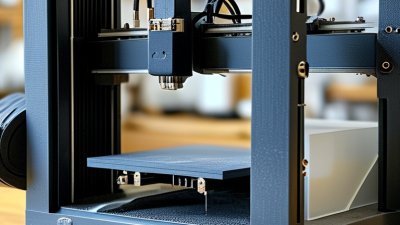
What Is PLA 3D Printing and Why Is It So Popular?
PLA 3D printing has become a familiar starting point for makers, students, designers, and small businesses. PLA, or polylactic acid, is a plant-based thermoplastic commonly made from sources such as corn starch or sugarcane. It melts at relatively low temperatures and usually prints with less warping than many engineering plastics. That makes it approachable on affordable desktop printers.
The experience is often simple. A beginner can load a spool, choose a tested profile, and produce a small model within hours. PLA prints can show clean edges, bright colors, and fine surface details. It is useful for prototypes, display pieces, classroom projects, and basic functional parts. However, “easy” does not mean flawless. Moisture can weaken filament and cause rough surfaces or popping sounds during extrusion. Poor bed leveling can still ruin the first layer.
PLA also has practical limits that deserve honest attention. It softens under sustained heat, so it may deform inside a hot car or near a heat source. Its strength and impact resistance may not suit demanding mechanical applications. Print quality depends on nozzle temperature, cooling, layer height, and the printer itself. There is no universal best setting.
This article examines why PLA 3D printing remains so popular. It considers cost, usability, appearance, environmental claims, and real-world performance. The goal is not to present PLA as perfect. It is to explain where PLA works well, where it disappoints, and how informed users can make better printing decisions.
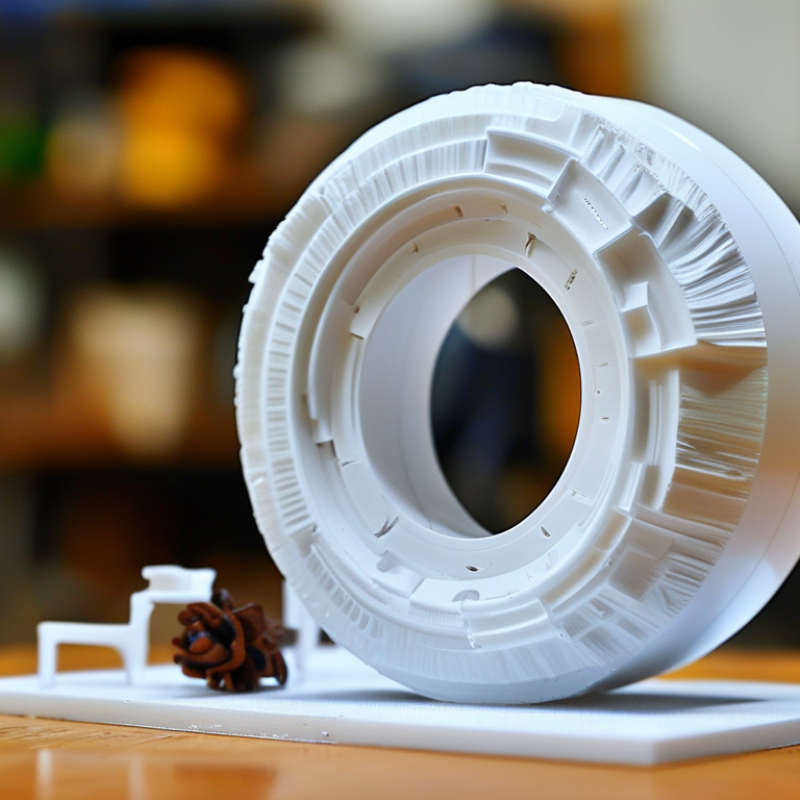
What PLA Is and How It Is Made
What Is PLA 3D Printing and Why Is It So Popular?
PLA, or polylactic acid, is a thermoplastic made from renewable plant sugars and starches. Common sources include corn, sugarcane, and cassava. Manufacturers ferment these materials into lactic acid. The acid is then converted into lactide, a small ring-shaped molecule. Through polymerization, lactide becomes long PLA chains. These chains are melted, cooled, and formed into consistent filament.
During 3D printing, a heated nozzle softens the filament layer by layer. PLA usually prints at moderate temperatures and produces sharp edges with a mild, sweet smell. Its stiffness helps models keep their shape, especially during prototypes, display pieces, and classroom projects. However, PLA is not automatically compostable in a home bin. Many products require controlled industrial composting conditions. It can also soften in a hot car. I once underestimated sunlight near a window, and a thin part slowly bent. That mistake changed how I test finished models.
Tips:
Keep filament dry before printing. Moisture can cause popping, rough surfaces, and weak layers. A clean build surface improves the first layer. Use moderate cooling for detailed parts, but reduce airflow when layer bonding matters. PLA is forgiving, but not perfect. Small temperature tests remain worthwhile.
How PLA 3D Printing Works Step by Step
PLA 3D printing begins with a digital model. I create or download a design, then check its walls, holes, and scale. The model is exported as an STL or 3MF file. Small errors matter. A thin wall may print poorly, even when the screen looks perfect.
The slicer converts the model into layers and movement instructions. I select a layer height, infill percentage, printing speed, and support settings. A 0.2-millimeter layer height often balances detail and time. The printer heats its nozzle and build surface to suitable temperatures. PLA usually melts at a relatively low temperature, making it easier to handle than many technical plastics. Still, exact settings depend on the filament and machine.
The print starts with a foundation layer. I watch it closely because weak adhesion can ruin several hours of work. The nozzle draws each outline, fills internal spaces, and builds upward layer by layer. Cooling helps the fresh plastic harden, especially around corners and small features. Supports hold up overhanging sections, but they can leave rough marks. After printing, I remove the part carefully and trim loose material with appropriate tools. My early prints often showed stringing and uneven corners. Lowering the temperature helped, but it did not solve every problem. PLA is popular because it prints easily, produces detailed surfaces, and suits prototypes, models, classroom projects, and many household parts. It is not automatically compostable in ordinary conditions, so disposal still requires thought.
Key Properties That Make PLA Popular
PLA 3D printing is popular because its key properties suit both beginners and experienced makers. It melts at a relatively low temperature, so many desktop printers can process it without advanced equipment. The material usually produces clean edges, fine surface details, and stable dimensions. That matters when printing small models, prototypes, teaching aids, or household organizers.
In practical workshop use, PLA often prints with limited warping when the build plate is prepared correctly. It also comes in many colors and surface effects, making visual testing more engaging. Its plant-based raw materials can sound environmentally friendly, but that description needs care. PLA is not automatically compostable in ordinary home conditions. It usually requires specific industrial facilities. Print settings still affect the result. A poor first layer can ruin an otherwise well-designed object.
PLA has useful stiffness, but it is not the best choice for every functional part. Under continuous heat, it may soften or slowly deform, especially inside a warm vehicle or near machinery. It can also become brittle after long exposure to sunlight or repeated impact. I have found that slower printing improves detail, while excessive cooling can weaken layer bonding. The material is forgiving, but not magical. Choosing the right nozzle temperature, layer height, and infill pattern remains essential for reliable results.
Common Uses of PLA Printed Objects
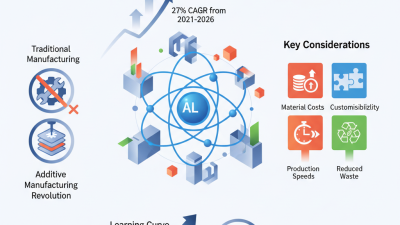
PLA 3D printing is popular because it is affordable, easy to process, and suitable for many everyday objects. The 2024 Wohlers Report valued the global additive manufacturing industry at about $20.04 billion in 2023. It also recorded 13.5% annual growth. PLA supports this expansion through simple printing requirements and broad user accessibility.
Common uses include prototypes, classroom models, desk organizers, phone stands, replacement knobs, and decorative pieces. Product designers often print a rough housing before testing the final material. Teachers use PLA to create anatomical models, geometric shapes, and mechanical demonstrations. At home, users print cable clips, drawer dividers, plant labels, and small brackets. These parts feel practical because they solve small, visible problems.
Not perfect. PLA softens near 60°C, so it performs poorly inside hot vehicles or near heaters. Outdoor sunlight can also weaken printed layers over time. A 2023 life-cycle assessment report found that printing efficiency depends heavily on electricity use, infill, failed parts, and material waste. PLA is often called biodegradable, but ordinary soil does not quickly break it down. Industrial composting conditions are usually required. I would test fit, heat exposure, and layer strength before trusting a functional part. Small caution. A beautiful print can still fail under pressure.
PLA’s Main Limitations and Printing Challenges
PLA’s Main Limitations and Printing Challenges
PLA is popular because it prints at relatively low temperatures and produces sharp, clean details. However, easy printing does not mean unlimited performance. Its biggest weakness is heat resistance. A finished PLA part may soften inside a hot car, near a radiator, or under direct sunlight. Many standard PLA parts begin losing strength around 55–65°C, depending on their formulation and internal structure.
PLA can also be brittle under sudden impact. It may snap instead of bending, especially along weak layer lines. Orientation matters. A tall bracket printed vertically can fail where the layers separate. More walls and a suitable infill pattern can help, but they cannot repair poor layer bonding. The material also absorbs moisture during storage. Damp filament often produces popping sounds, rough surfaces, thin gaps, and inconsistent extrusion. Keep it sealed with a drying material, and dry it when print quality changes unexpectedly.
Bed adhesion creates another practical challenge. PLA usually warps less than some high-temperature materials, yet large flat parts can still curl at the corners. A dirty build surface, excessive cooling, or an incorrect first-layer height may cause failure within minutes. Small calibration tests are useful, though they add time. I sometimes see users increase temperature to hide weak adhesion, but this can create stringing and softened details. Careful adjustment is slower. It is also more reliable.